How to Maximize Your Home Insurance Benefits During Natural Disasters
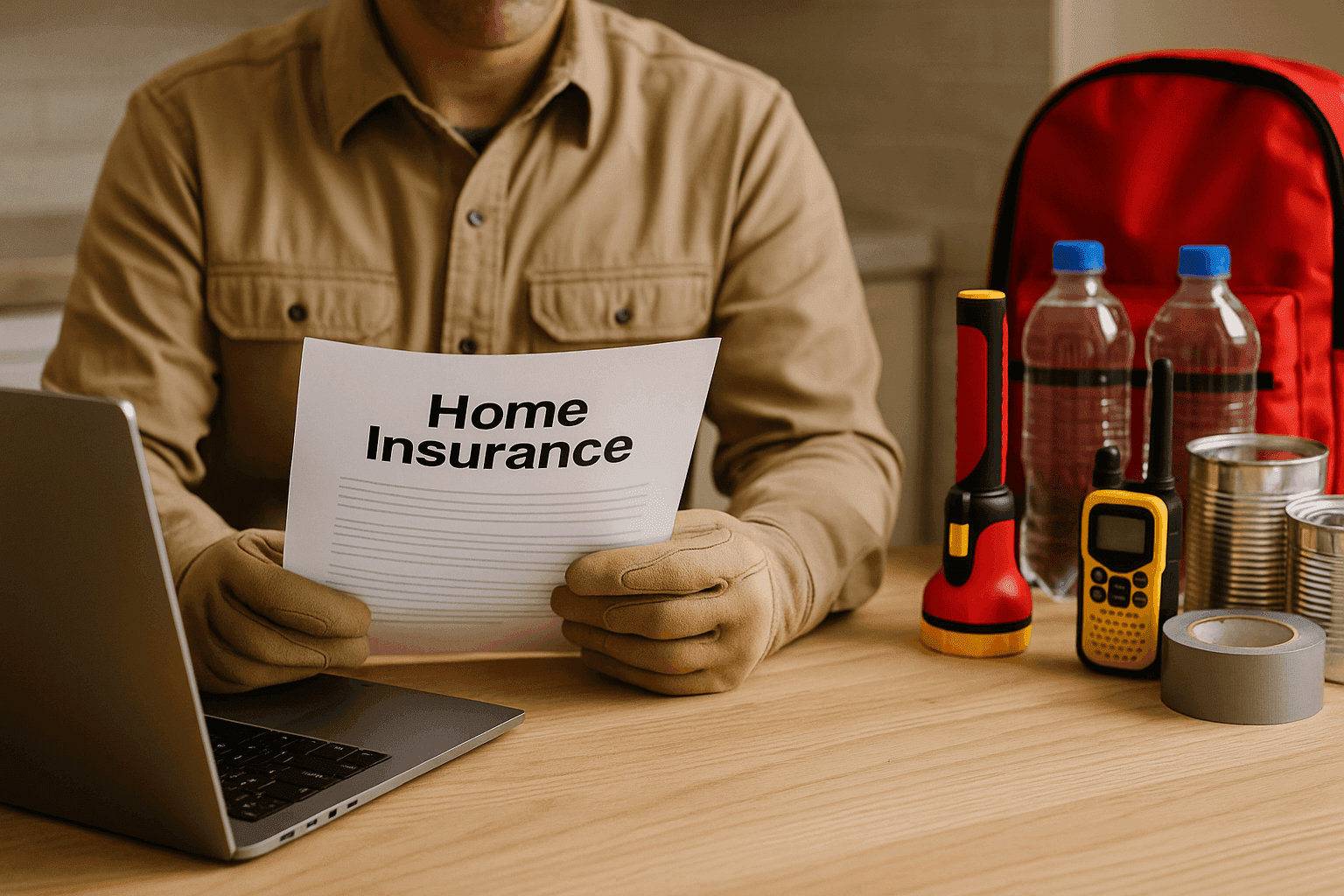
When a natural disaster barrels through, it feels like your world’s been tipped upside down. Fires, floods, earthquakes, and violent storms don’t just damage your home—they shake your sense of security. In those frantic moments, your home insurance is more than a policy. It’s a lifeline.
At Wolbert Insurance, we help homeowners like you prepare for the unpredictable. With decades of experience guiding claims and reviewing policies, our team knows what it takes to make your coverage work when you need it most.
Understanding Disaster-Related Home Insurance Coverage 🏠
Before the storm clouds gather, it pays to know what your policy covers. Home insurance isn’t just one big umbrella—it’s a patchwork quilt of protections. Some pieces you might expect, others are easy to overlook.
- Dwelling Coverage: Repairs or rebuilds your home’s structure after damage from fire, wind, or certain storms.
- Personal Property Coverage: Replaces belongings damaged by covered disasters—think furniture, clothing, electronics.
- Additional Living Expenses (ALE): Pays for temporary housing, meals, and other costs if your home becomes uninhabitable.
- Liability Coverage: Shields you if someone is injured on your property during or after a disaster.
- Endorsements: Add-ons for floods, earthquakes, sewer backup, green energy equipment, and more.
Not all disasters are automatically covered. For example, standard home insurance rarely includes flood or earthquake damage. If you’re in an at-risk area, you may need to add these protections.
The Problem: Gaps in Coverage and Missed Benefits
After a disaster, many homeowners are shocked to discover what their insurance doesn't cover. It’s like reaching for an umbrella and realizing it’s full of holes. Gaps in coverage, outdated limits, or missing endorsements can leave you exposed.
- Flood and Earthquake: Usually require separate policies or endorsements.
- Personal Property Limits: High-value items like jewelry or artwork may not be fully covered.
- Sewer/Water Backup: Often excluded unless you’ve added special coverage.
- Home Business or Green Energy Equipment: Needs specific protection.
Reviewing your policy with a professional—before disaster strikes—is the best way to spot these gaps. Wolbert Insurance offers comprehensive policy reviews and risk assessments to help you stay ahead.
Quick Safety Checklist: What to Do Before and After Disaster Strikes
When the forecast looks grim, every second counts. Here’s a rapid-fire checklist to protect your home, family, and insurance benefits:
- Review your insurance policy and coverage types.
- Secure important documents (insurance, IDs, photos) in a waterproof/fireproof container.
- Take photos or videos of every room, inside closets and drawers.
- Update your home inventory—include receipts, serial numbers, and appraisals.
- Store emergency supplies (water, food, flashlights, batteries).
- Back up critical digital files to the cloud.
- Know your insurer’s claims process and emergency contact numbers.
- After a disaster, document all damage before cleanup.
- Save receipts for temporary repairs or living expenses.
- Contact your insurance provider as soon as it’s safe.
These steps don’t just speed up recovery—they make your claim stronger and smoother.
DIY vs. Call a Pro: Handling Damage and Claims
When disaster hits, some tasks are safe for you to handle, while others need a professional’s touch.
DIY:
- Photograph and video all damage before you move anything.
- Make temporary, safe repairs to prevent further damage (cover broken windows, tarps on roofs).
- Keep damaged items until your adjuster has seen them.
- Gather receipts and document expenses.
Call a Pro:
- For structural repairs or electrical hazards, always call licensed contractors.
- If you’re unsure about policy details or coverage, contact your insurance advisor.
- For large or complex claims, consider professional claims assistance—Wolbert Insurance can guide you through every step.
What Pros Do On Arrival
When a Wolbert Insurance claims specialist or adjuster arrives, they bring a trained eye and a calm presence.
- Conduct a thorough inspection of damage, inside and out.
- Review your documentation and photos.
- Assess repair and replacement needs based on current building codes and safety guidelines (referencing sources like the National Fire Protection Association and International Residential Code).
- Help you understand policy limits, deductibles, and any applicable endorsements.
- Guide you through the claims process, from filing paperwork to negotiating settlements.
Our team also assists with policy reviews and updates, ensuring you’re not left in the dark next time.
Prevention & Maintenance: Building Resilience Year-Round 🌧️
The best claim is the one you never have to make. Regular maintenance and smart upgrades can help minimize disaster damage—and sometimes lower your premiums.
Practical Tips:
- Clean gutters and downspouts to prevent water backup.
- Trim trees and remove dead branches near your home.
- Anchor heavy furniture and appliances if you’re in an earthquake zone.
- Install sump pumps and water alarms in basements.
- Upgrade to fire-resistant roofing and siding.
- Consider a monitored home security system (often earns you a discount).
- Review your policy annually, especially after renovations or major purchases.
- Ask about green home insurance options if you’ve installed solar panels or energy-efficient upgrades.
Wolbert Insurance offers disaster preparedness consultations and risk assessments to help you stay ahead of the next storm.
Costs & Time Factors: What to Expect
After a disaster, time feels like it’s moving in slow motion. But insurance claims have their own rhythm.
- Filing a claim: Usually takes a few hours to gather documents and submit.
- Adjuster visit: Often within a few days, depending on the scale of the disaster.
- Repairs and payouts: Can range from a few days for minor fixes to several months for major rebuilds.
- Out-of-pocket costs: You’ll pay your deductible first. Make sure you know this amount.
- Temporary living expenses: Save all receipts—ALE coverage can reimburse hotel stays, meals, and transportation.
Costs vary widely based on the type of disaster, the extent of damage, and your coverage limits. Reviewing your policy in advance helps avoid surprises when time is tight.
When It’s an Emergency: How to Get Help Fast 🚨
Sometimes, you need emergency home_insurance support right away. Here’s what to do:
- Make sure everyone is safe. Call emergency services if needed.
- Prevent further damage if it’s safe—shut off water, gas, or electricity.
- Document everything, even in the chaos.
- Contact your insurance provider’s emergency claims line.
- Use Wolbert Insurance’s customer support services for guidance—day or night.
Our claims assistance team is trained to help you navigate emergencies, from the first call to the final check.
FAQ: Common Questions About Home Insurance and Disasters
What if I don’t have flood or earthquake coverage?
Standard policies usually exclude these disasters. You’ll need a separate flood or earthquake policy. Review your risks and consider adding coverage if you’re in a high-risk area.
How do I prove the value of my belongings?
Keep an updated home inventory with photos, serial numbers, and receipts. There are free apps for this, or you can use a simple spreadsheet.
What if my policy limits are too low?
You can update your policy at any time, not just during renewal. Schedule a policy review to make sure your limits match your home’s value and your belongings.
Can I get help with claims paperwork?
Absolutely. Wolbert Insurance offers claims assistance to help you file, track, and resolve your claim efficiently.
Special Considerations for Homeowners
Every home is unique. Maybe you have a historic property, a green energy system, or a home business. Each brings its own insurance twists.
- Historic homes: Specialized coverage for restoration and code upgrades.
- Vacation or seasonal homes: Seasonal insurance policies to cover periods of vacancy.
- Green energy equipment: Endorsements for solar panels, batteries, and more.
- Home sharing: Extra coverage if you rent out your home or rooms.
- Home business: Protection for equipment, liability, and lost income.
Wolbert Insurance can help you identify gaps and tailor your coverage, so you’re not left out in the rain.
Stay Connected: Communication Is Key
During and after a disaster, keep the lines open. Notify your insurer as soon as possible. Save all correspondence, claim numbers, and receipts. Use customer support services for updates and advice.
Regular policy reviews, open communication, and proactive planning can make all the difference when disaster strikes.
Call Wolbert Insurance now — or reach us anytime at 844-493-8419 .